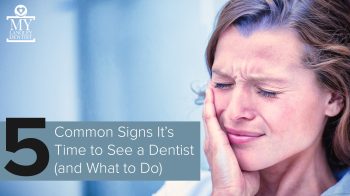
 Knowing when to see a dentist isn’t always straightforward. Many oral health problems develop gradually, without sharp pain or obvious warning signs at first. At My Langley Dentist, we often see patients from Langley, Willoughby, and Walnut Grove who delayed booking because nothing felt urgent, only to discover that subtle symptoms were already pointing to changes beneath the surface. Understanding these early signs can help you decide when it’s time to book an appointment and clarify why acting sooner often gives you more options and flexibility.
Don’t Ignore These Warning Signs
Your mouth is highly adaptive, which means it can compensate for problems for quite a while before discomfort becomes unavoidable. These common symptoms deserve attention, even if they seem manageable right now.
-
Tooth Pain or Sensitivity
Tooth pain doesn’t always mean something dramatic is happening, but it is a signal worth evaluating. Sensitivity to hot, cold, sweet, or pressure may be related to enamel wear, exposed dentin, small areas of decay, or inflammation within the tooth. Even if pain comes and goes, it may still indicate an underlying issue that hasn’t reached an advanced stage yet.
Persistent discomfort or pain when biting may suggest a crack, a compromised filling, or stress on the tooth from grinding or clenching. Left unaddressed, these concerns can progress, sometimes quietly, until treatment becomes more involved. A dental exam allows us to assess whether the tooth structure and nerve are healthy and whether preventive or restorative care may be appropriate.
Healthy gums generally do not bleed easily. If you’re noticing blood when brushing or flossing, or if your gums appear swollen, tender, or darker in color, this can be a sign of inflammation caused by plaque and bacteria along the gumline.
Early gum inflammation may be reversible with professional care and improved home habits. However, when inflammation persists, it can begin affecting the bone and tissues that support your teeth. Gum disease often advances without pain, which is why bleeding gums are one of the most important signs not to ignore. Evaluating gum health early can help reduce the risk of progression and support long-term stability.
-
Bad Breath That Won’t Go Away
Occasional bad breath is common, but ongoing odor that doesn’t improve with brushing, flossing, or mouth rinses may point to deeper concerns. Bacteria trapped beneath the gumline, untreated decay, dry mouth, or old dental restorations can all contribute to persistent odor.
Because bad breath is often linked to bacterial activity, addressing the underlying cause rather than masking the symptom is key. A dental checkup allows us to assess oral hygiene effectiveness, gum health, and any areas where bacteria may be accumulating.
-
Loose or Shifting Teeth
Adult teeth should feel stable. If you’ve noticed movement, new gaps, or changes in how your teeth fit together, it’s important to have this evaluated promptly. Tooth mobility can be associated with changes in bone support, chronic inflammation, or excessive forces from grinding or bite misalignment.
Even subtle shifting can alter how your teeth function and how pressure is distributed when you chew. Identifying the cause early may help limit further changes and protect surrounding teeth and bone.
What These Symptoms Could Mean
Dental symptoms rarely exist in isolation. Often, what you feel on the surface reflects a process happening gradually beneath the enamel or gums.
Common Causes Behind Each Issue
Depending on your oral health history and habits, these symptoms may be associated with:
- Early or progressing tooth decay
- Enamel erosion from acidic foods or beverages
- Gum inflammation or periodontal changes
- Cracks or wear related to grinding or clenching
- Reduced saliva flow affecting natural protection
Only a clinical exam and appropriate imaging can clarify what’s happening. As Dr. Mustafa Ali, explains, “Many dental problems don’t announce themselves loudly. Our role is to identify patterns and changes early, then help you understand what they mean for your health.”
When to Book an Emergency Appointment
While many visits can be scheduled for a future date, some situations warrant more immediate attention. Sudden swelling, increasing pain, trauma to the teeth, or signs of infection such as pressure or spreading discomfort should prompt a call to the office right away.
Even if you’re unsure whether something qualifies as urgent, checking in allows us to guide you on timing and next steps. Early assessment may help reduce discomfort and prevent complications.
How Preventive Care Helps Avoid These Problems
Preventive dental care is designed to do more than just clean your teeth. Regular visits allow us to track changes over time, compare imaging, and identify trends that aren’t visible during a single appointment.
Preventive care may help:
- Detect early changes before symptoms worsen
- Reduce the likelihood of unexpected dental emergencies
- Support long-term comfort and function
- Provide clarity and reassurance about your oral health
Consistent care doesn’t eliminate all dental concerns, but it can make them easier to address and less disruptive when they arise.
See a Langley Dentist Before It Gets Worse
If you’ve noticed any of these signs, or if something simply feels off, it may be time to see a dentist. You don’t need to know what’s wrong before booking. That’s what the exam is for.
At My Langley Dentist, we take a personalized, transparent approach to care. We listen first, explain what we see, and help you understand your options at a pace that feels comfortable. Whether you’re due for a checkup or responding to a new concern, our team is here to support you.
To book an appointment, call our Langley office at (604) 532-8821 or schedule online at mylangleydentist.ca. Taking action now can help you protect your smile and your peace of mind.
Disclaimer: The content of this blog is not intended to be a substitute for professional medical advice, diagnosis, or treatment. Always seek the advice of qualified health care providers with any questions you may have regarding a medical or dental condition. Individual results may vary.

Dr. Mustafa Ali
My Langley Dentist